
Serving Houston homes & businesses since 1983. Licensed, insured, and available 24/7.
A properly installed sanitary sewer system creates a dependable route for wastewater to travel from a building to an approved collection or treatment facility. For the system to perform reliably, the piping must maintain the required grade, remain stable underground, and have secure connections that hold after the trench is restored.
Strutton Plumbing Company, Inc. installs new sanitary sewer piping for residential, commercial, development, and utility projects throughout Austin County, TX.
We work from approved project plans while accounting for the conditions we encounter in the field. Our experience with excavation and underground utilities, including water taps and meters, helps us coordinate complex site work with greater precision. We focus on accurate installation, practical scheduling, and clear communication throughout the project.
This approach becomes especially valuable on larger properties where sewer routes may extend across significant distances and involve multiple site conditions.
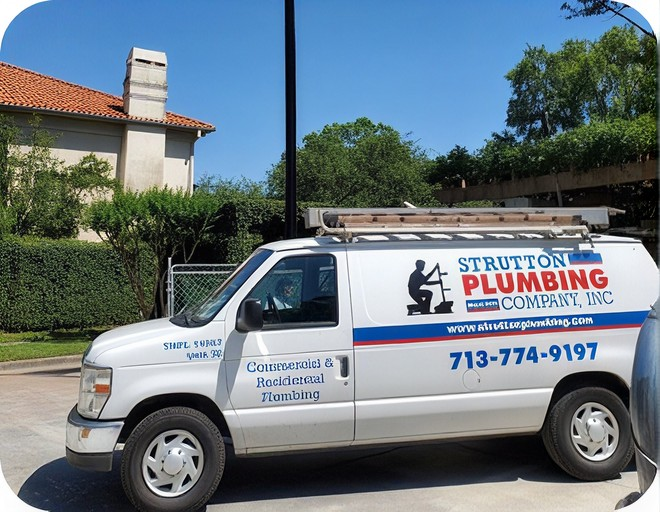

About Us
Austin County includes small communities, rural properties, farms, and ranches. Construction is often distributed across larger parcels rather than concentrated within dense urban areas. Long distances, open terrain, and limited access to existing infrastructure can therefore play a significant role in sewer planning.
A property may have ample room for equipment while still facing challenges because the nearest approved collection point is some distance away. Rolling terrain, creeks, drainage areas, changing soil conditions, and existing agricultural improvements can all influence the most practical sewer route. Reviewing the property before excavation helps us connect the approved design with the conditions present in the field.
Wastewater service arrangements can vary between incorporated communities, utility districts, and rural properties. Some locations may have different connection requirements or available wastewater options. We review the approved project scope and designated discharge point before organizing the installation so our fieldwork follows the applicable requirements.
We install sanitary sewer piping for new homes, commercial construction, developments, and approved utility projects. Depending on the design, our scope may include building sewer lines, site laterals, mains, cleanouts, fittings, transitions, and authorized connections. Each component must work together to create a continuous and properly graded wastewater path.
Long distances and changes in elevation can make acreage and rural sewer installations more demanding. A small grade variation can have a greater effect over an extended gravity run, while uneven terrain may require deeper excavation in certain sections. We use the specified elevations and ongoing field measurements to maintain the intended slope as the installation progresses.
The conditions beneath the pipe also affect its stability after construction. A properly prepared trench base, suitable bedding, secure joints, and appropriate backfill all contribute to maintaining the pipe’s position and protecting it underground. We also consider future drives, buildings, fencing, landscaping, and other planned property improvements when carrying out the approved installation.
Our Process
We begin by reviewing the construction plans, property access, elevations, connection point, and proposed sewer route. Existing utilities, fences, roads, drainage areas, structures, and available workspace are also considered. We discuss other scheduled construction with the project team so the sewer installation can be integrated into the overall sequence.
We organize pipe, fittings, equipment, excavation, deliveries, and labor around the approved scope. Installation depth, required grade, cleanout locations, crossings, connection details, and inspection requirements all factor into the work sequence. For longer sewer runs, we pay particular attention to measurement locations, equipment access, and movement across the property.
Our crews excavate the designated route and prepare the trench base for pipe placement. Each section is positioned at the specified elevation, joined carefully, and checked as installation advances. We complete the cleanouts, branches, transitions, and authorized connections included in the project plans while continuing to monitor line and grade.
We perform the required checks and coordinate applicable inspections before the installation is covered. Backfill is placed with consideration for pipe position, soil conditions, and the planned use of the surface above the sewer line.
Once our assigned work is complete, we communicate the status to the project contact and leave the area prepared for subsequent construction.
We bring experience in utility construction, custom residential plumbing, and large commercial installations. Rural projects and properties with extended underground routes require more than plumbing knowledge alone.
They also demand thoughtful equipment planning, site coordination, and attention to changing field conditions. We approach each project with that broader perspective and address field questions promptly.
Quality workmanship is central to how we approach every installation, while customer satisfaction guides the way we communicate throughout the project. We also keep value in mind because poor coordination can lead to unnecessary equipment use, repeated excavation, and disruption to completed areas. Clients receive straightforward information about our assigned scope and the progress of the work.
Our capabilities extend beyond sanitary sewer installation. We can also discuss water taps, water meters, and other new utility installations when multiple underground systems are part of the same project. This broader experience helps us understand how different utility components need to work together across the property.
Contact us today to schedule an appointment for sanitary sewer installation in Austin County, TX.
It can when the approved design establishes a suitable route and authorized discharge point. The project team needs to consider the total distance, elevation changes, easements, crossings, soil conditions, existing improvements, and future use of the property before determining the route.
Existing utilities, creeks, drainage channels, roads, foundations, trees, fences, easements, and property restrictions can all affect sewer placement. Reviewing these conditions during the planning stage helps identify potential conflicts before excavation begins.
No. Wastewater service arrangements differ depending on the property location and applicable serving authority. The property owner and project team need to establish the authorized wastewater destination and connection requirements before the sewer installation can be properly planned.
Contact Strutton Plumbing today for fast, friendly service.